Comprehensive Guide to Understanding Reduction Atmosphere Furnaces
Time: 2024-11-29
View: 271
In industrial heat treatment, selecting the right furnace is crucial for
ensuring the quality, efficiency, and cost-effectiveness of your processes.
Among the various types of furnaces available, the reduction atmosphere furnace
plays a vital role in achieving superior material properties, preventing
oxidation, and enhancing production efficiency.
By leveraging controlled atmosphere heat treatment, these furnaces are indispensable in industries such as aerospace, automotive, electronics, and advanced material manufacturing.
This guide provides an in-depth look into the principles, components, benefits, and applications of reduction atmosphere furnaces. As a professional manufacturer, Brother Furnace aims to offer informative and marketable insights to help you make well-informed decisions.
What is a Reduction Atmosphere Furnace?
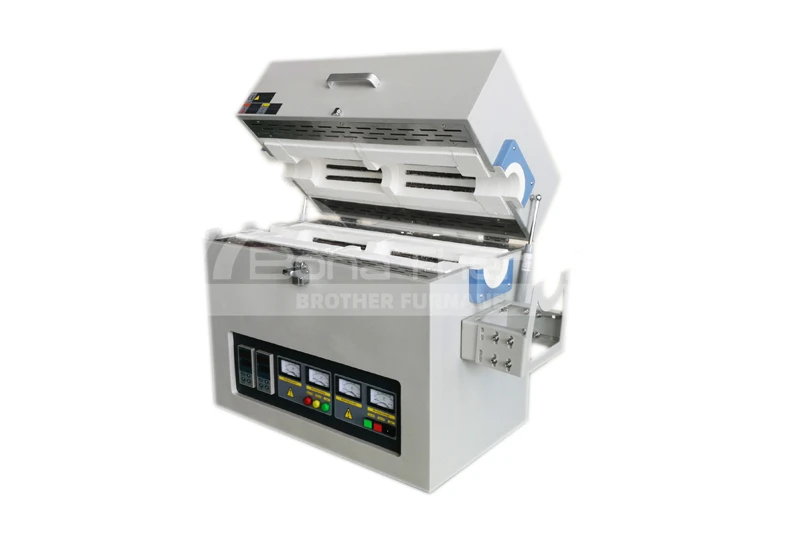
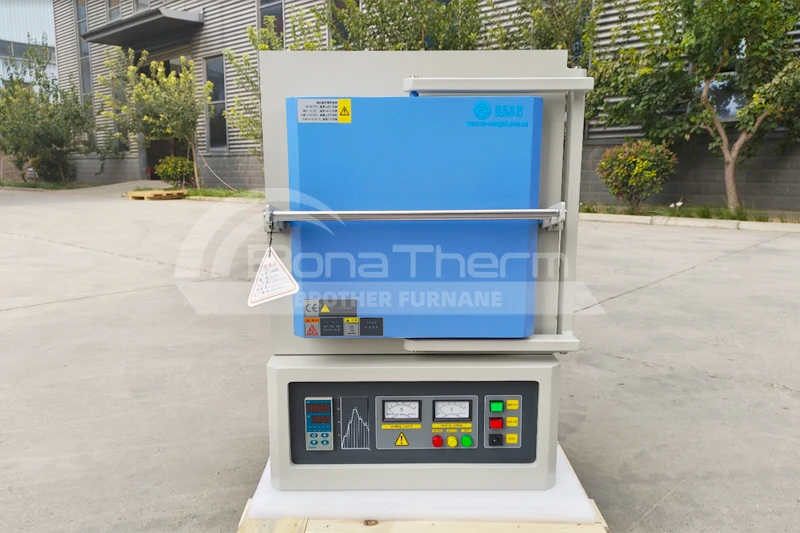
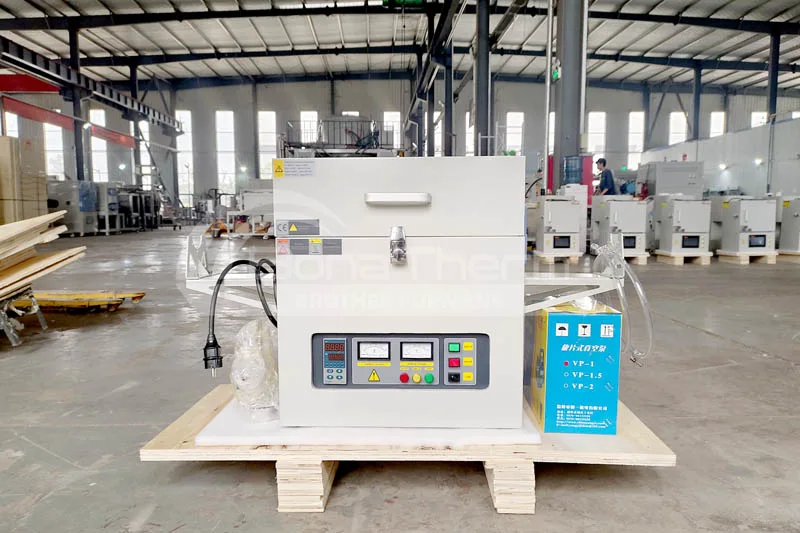
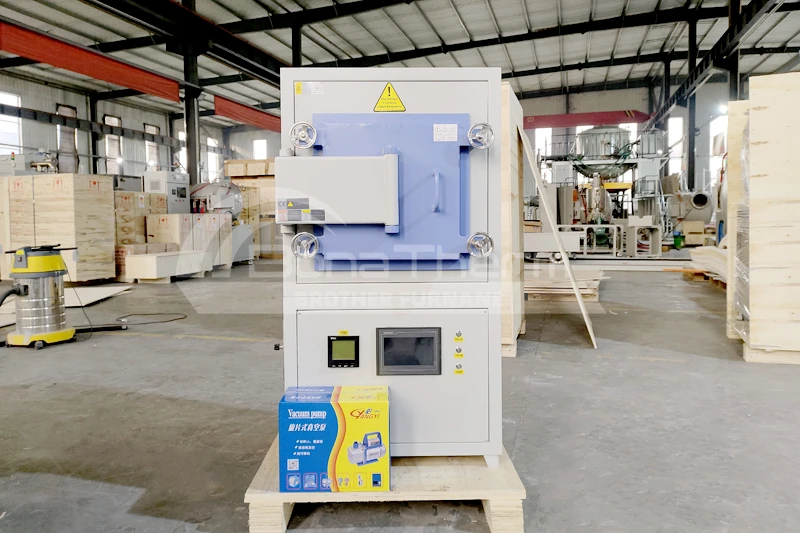
A reduction atmosphere furnace is a specialized type of metal processing
equipment designed to operate under a reducing atmosphere—an environment where
oxygen is minimized and reducing gases such as hydrogen or carbon monoxide are
introduced. These furnaces facilitate chemical reduction reactions that prevent
oxidation and improve the properties of processed materials.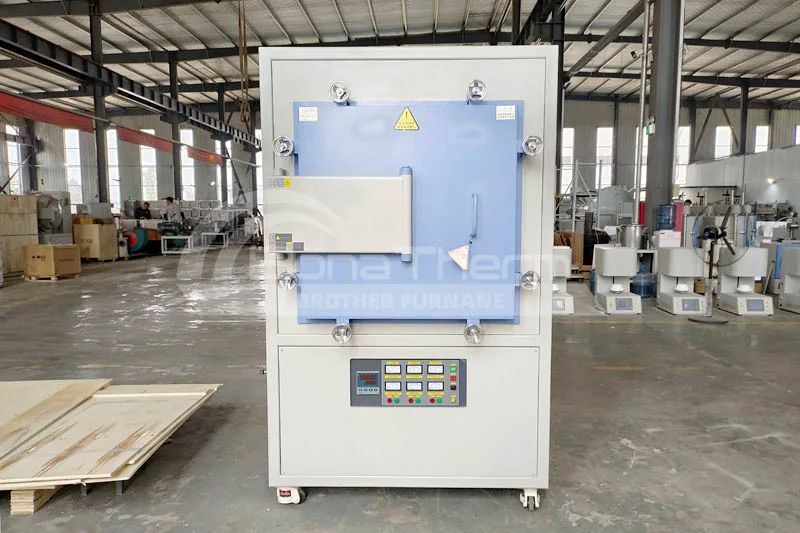
Basic Principles and Components
Reduction atmosphere furnaces work by combining precise temperature control with oxidation prevention technology to maintain an ideal environment for material processing. Key components include:
1. Sealed Chamber: Prevents oxygen infiltration to maintain the reducing atmosphere.
2. Gas Flow System: Introduces and regulates reducing gases like hydrogen or carbon monoxide for specific applications.
3. Heating Elements: Provide consistent, high-temperature environments for processes such as high-temperature sintering and brazing.
4. Atmosphere Control System: Ensures precision atmosphere control with advanced sensors and automated regulators.
5. Safety Systems: Include gas leak detectors, emergency shut-offs, and ventilation systems to ensure safe operation.
Types of Reduction Atmospheres
● Hydrogen Atmosphere Furnace: Uses hydrogen as a reducing gas, ideal for stainless steel heat treatment and high-performance alloy processing.
● Carbon Monoxide Atmosphere Furnace: Often used in metallurgy equipment, this type is suited for materials requiring higher reduction capabilities.
Benefits of Reduction Atmosphere Furnaces
Reduction atmosphere furnaces offer several distinct advantages that make them superior to traditional heat treatment systems:
Prevention of Oxidation
The most significant benefit is the prevention of oxidation during heat
treatment. By maintaining a controlled reducing atmosphere, these furnaces
ensure that materials retain their structural integrity and surface quality,
making them essential for advanced material manufacturing.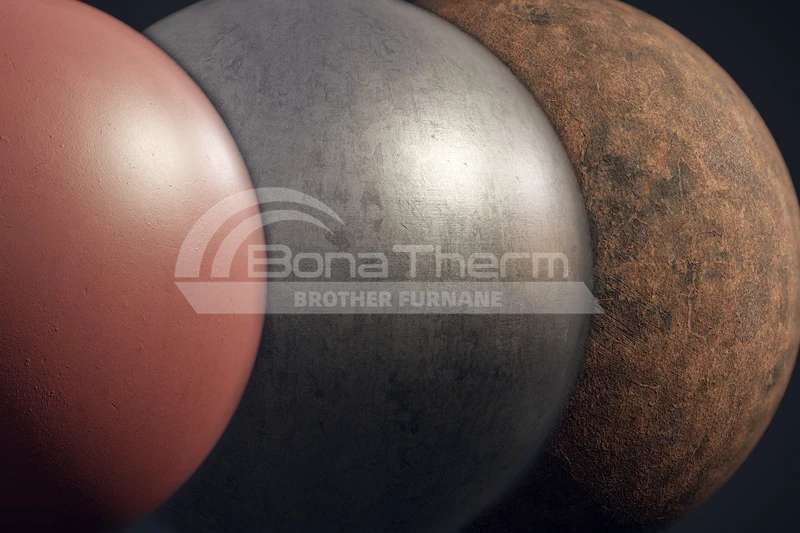
Enhanced Material Properties
Reduction reactions facilitated by these furnaces improve the mechanical, thermal, and chemical properties of metals and alloys. This results in stronger, more durable materials suitable for demanding applications.
Improved Surface Finish
A low-oxygen furnace produces materials with cleaner, smoother surfaces and fewer impurities, which is critical for industries like electronics and medical device manufacturing.
Increased Production Efficiency
With precision atmosphere control and uniform heating, reduced atmosphere furnaces deliver shorter cycle times and higher throughput, making them a cost-effective solution for large-scale manufacturing.
Applications of Reduction Atmosphere Furnaces
Metal Processing Industries
Reduction atmosphere furnaces are widely used in metal processing equipment
to refine metals and improve their properties. This includes processing
high-performance alloys for automotive and aerospace applications.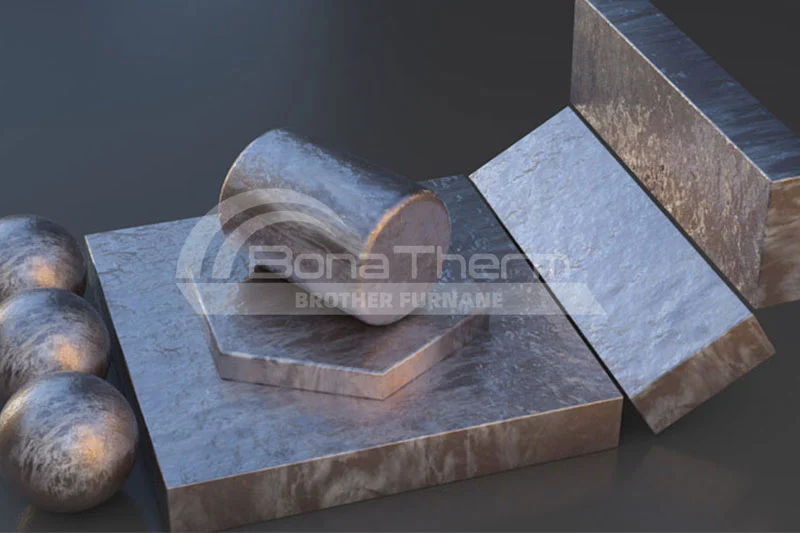
Semiconductor Manufacturing
In the electronics industry, precisely controlled atmosphere heat treatment ensures defect-free components with high reliability, making these furnaces essential for producing semiconductors and microchips.
Powder Metallurgy
These furnaces are indispensable in high-temperature sintering processes, where metal powders are compacted and heated to form dense, durable components.
Industrial Brazing Furnace Applications
For brazing, the reducing atmosphere ensures clean, strong joints free of oxidation, meeting the stringent requirements of industries like aerospace and automotive manufacturing.
Considerations for Purchasing a Reduction Atmosphere Furnace
When selecting a reduction atmosphere furnace, it’s essential to consider the following factors to ensure it meets your operational needs:
Size and Capacity Requirements
Determine whether your operations require batch processing or continuous
production, and choose a furnace size that matches your throughput
requirements.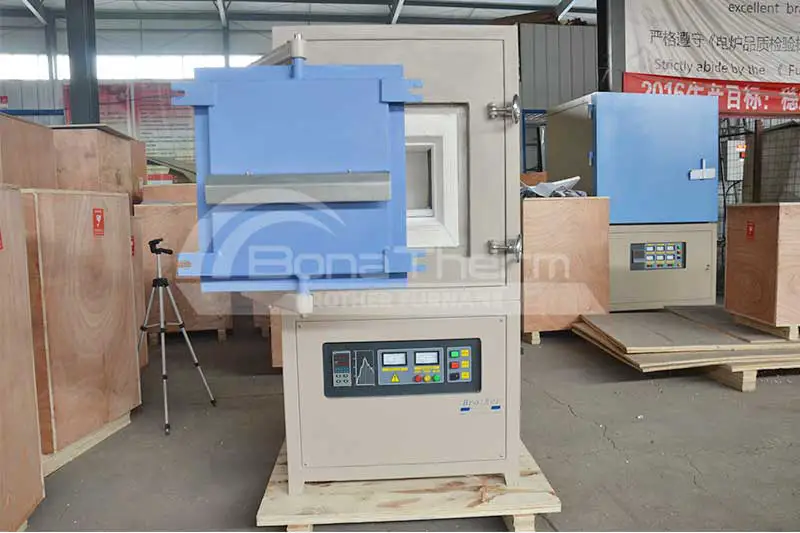
Temperature Range and Control Precision
Ensure the furnace can reach the required temperature range for your applications, such as stainless steel heat treatment or brazing, and offer advanced controls for maintaining consistent temperatures.
Atmosphere Control Systems
Look for furnaces with sophisticated precision atmosphere control systems that allow you to customize gas flow, pressure, and composition.
Safety Features and Compliance
Verify that the furnace includes comprehensive safety mechanisms, such as gas leak detectors, automated shutdown systems, and compliance with industry standards.
Energy Efficiency and Operating Costs
Select a furnace designed for optimal energy efficiency to reduce long-term
operating costs. Features like advanced insulation and regenerative heating
systems can significantly lower energy consumption.
Industries That Benefit Most from Reduction Atmosphere Furnaces
Automotive Manufacturing
These furnaces are used to produce high-quality components such as gears, shafts, and other precision parts essential for automotive systems.
Aerospace Industry
In aerospace, high-performance alloy processing under a reducing atmosphere ensures lightweight, durable materials that meet stringent performance and safety standards.
Electronics and Semiconductor Production
Reduction atmosphere furnaces are indispensable for creating defect-free, high-performance semiconductors and microchips, which are the backbone of modern electronics.
Conclusion
The reduction atmosphere furnace is an indispensable tool for industries
requiring precise controlled atmosphere heat treatment. Its ability to prevent
oxidation, enhance material properties, and improve production efficiency makes
it a superior choice for applications ranging from stainless steel heat
treatment to high-temperature sintering and brazing.
Choosing the right furnace is critical for achieving your production goals. Brother Furnace is committed to providing informative and marketable solutions tailored to your needs.
Whether you’re seeking a hydrogen atmosphere furnace, a reactive gas furnace, or a system for advanced material manufacturing, our products are designed to deliver exceptional performance and reliability.
Explore the range of reduction atmosphere furnaces offered by Brother Furnace. Our team of experts is ready to help you select the ideal furnace for your specific applications.
Contact us for more information, personalized consultations, and cutting-edge solutions that redefine heat treatment standards with precision atmosphere control and oxidation prevention technology. Let’s revolutionize your production processes together!