How to Operate a Chemical Vapor Deposition Furnace
Time: 2024-09-12
View: 266
A vapor deposition furnace is a device that utilizes a chemical reaction to
deposit a thin film on the surface of a substrate. It is now widely used in
modern materials science and industrial manufacturing.
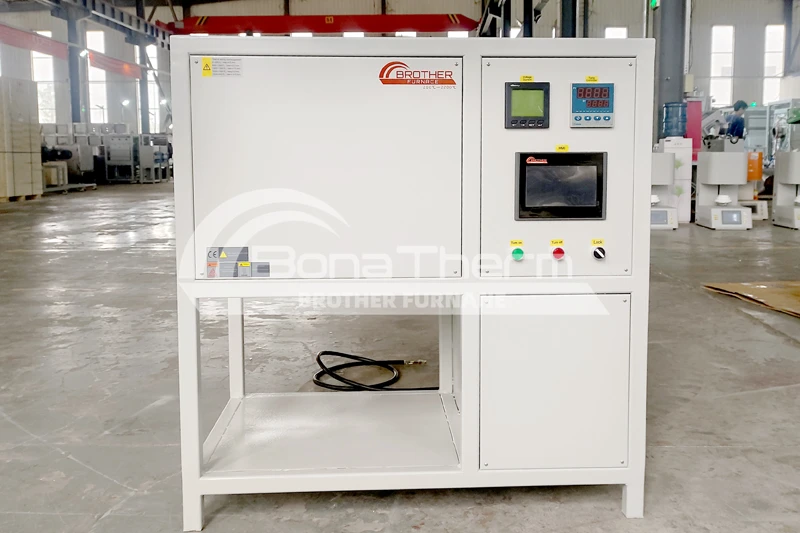
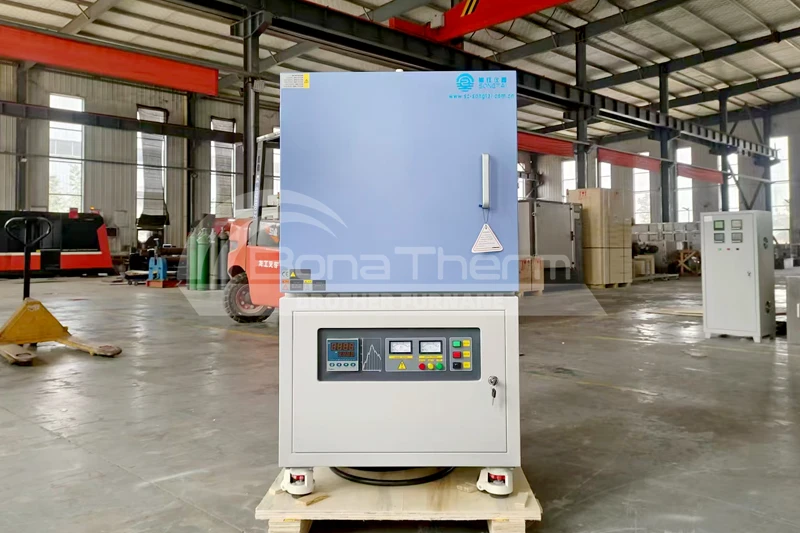
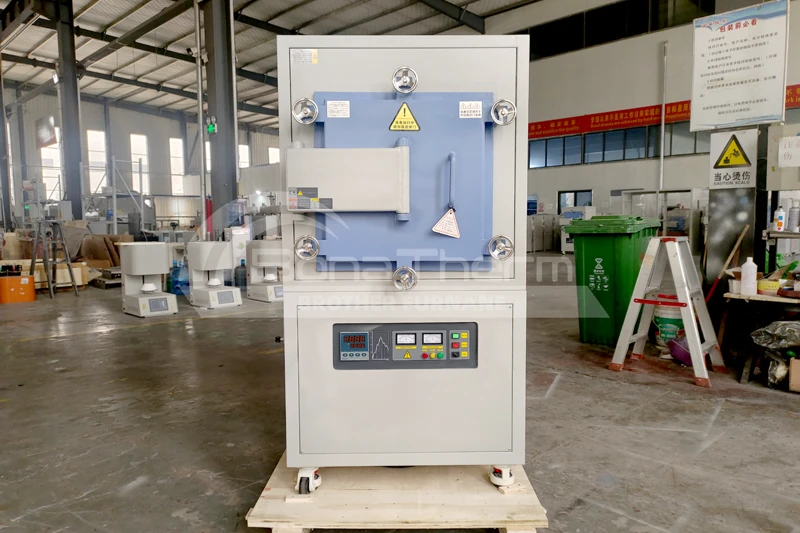
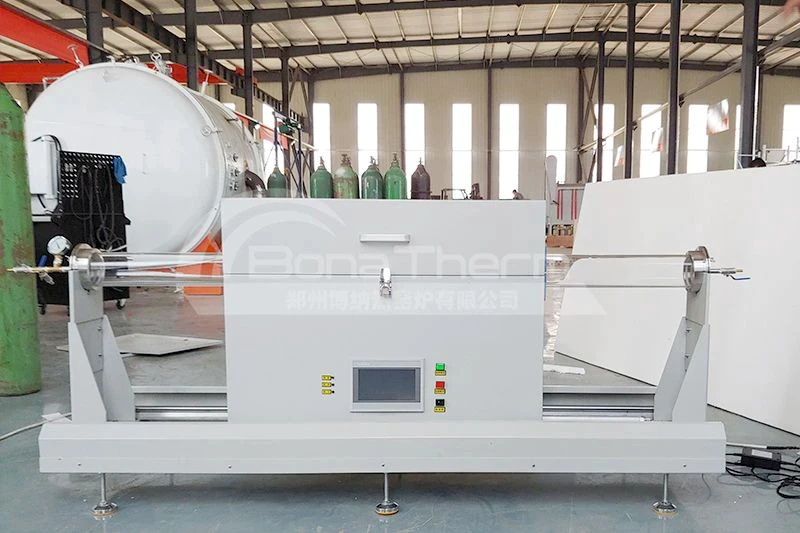
CVD furnace adopts plasma chemical vapor deposition technology and is suitable for thin film deposition of metals, semiconductors, insulators, and other materials.
Their application areas include microelectronics, optoelectronic devices, flat panel displays, and energy storage systems. Brother Furnace's chemical vapor deposition furnaces are used for the deposition of thin films of metals, semiconductors, insulators, and other materials.
As a specialized manufacturer in the field of CVD furnaces, Brother Furnace understands the importance of operating a chemical vapor deposition (CVD) furnace.
In this article, we will introduce the whole process of operating a CVD
furnace in detail to help you fully utilize the performance of your vapor
deposition furnace and improve productivity and product quality.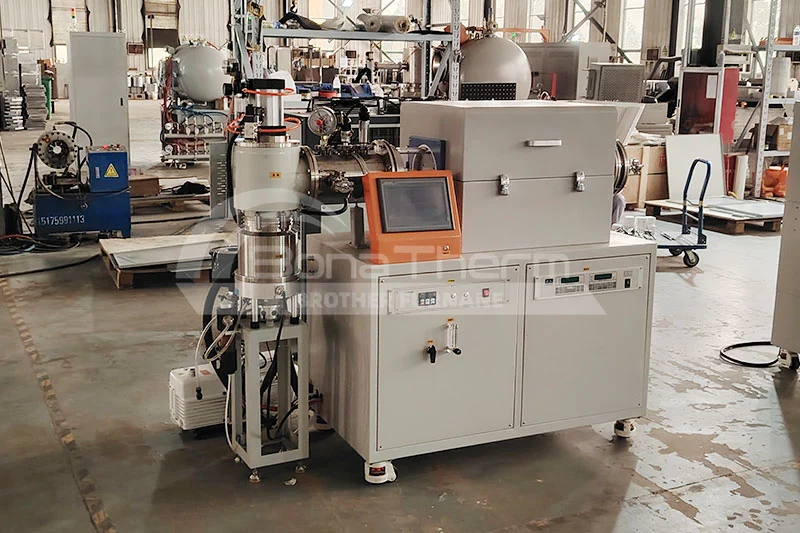
Preparation Before Operation
Checking the Furnace
Before operation, the vapor deposition furnace must be thoroughly inspected. First, make sure the power supply is connected properly and check the furnace for any visible damage or wear. Secondly, check that the gas lines are connected correctly and ensure that there are no leaks.
Use a gas leak detector for testing to ensure safe operation. Finally, check the condition of the vacuum system to ensure that it is capable of achieving the calibrated vacuum level.
Clean the Furnace and Calibrate the Operating System
Before starting operation, the chemical vapor deposition furnace must be cleaned. In particular, make sure that the furnace chamber and the substrate support frame are free of any contaminants. Take care to use appropriate cleaning agents and tools when cleaning and do not use chemicals that may leave residues.
Calibration is critical to ensure accurate operation of the equipment. Calibrate the temperature control system to ensure accurate readings from the temperature sensors. Brother Furnace equips its electric furnaces with high-precision temperature control systems that are accurate to ±1°C, which is critical to the quality of the film. The gas flow meter also needs to be calibrated to ensure that the gas flow meets the process requirements.
Preparation of Gas and Material
Depending on the film material to be deposited, the appropriate gas is
selected. For example, silane (SiH₄) is used for silicon thin film deposition
and ammonia (NH₃) is used for nitride deposition. Ensure that the purity of the
gas meets the requirements to avoid the effect of impurities during the
deposition process.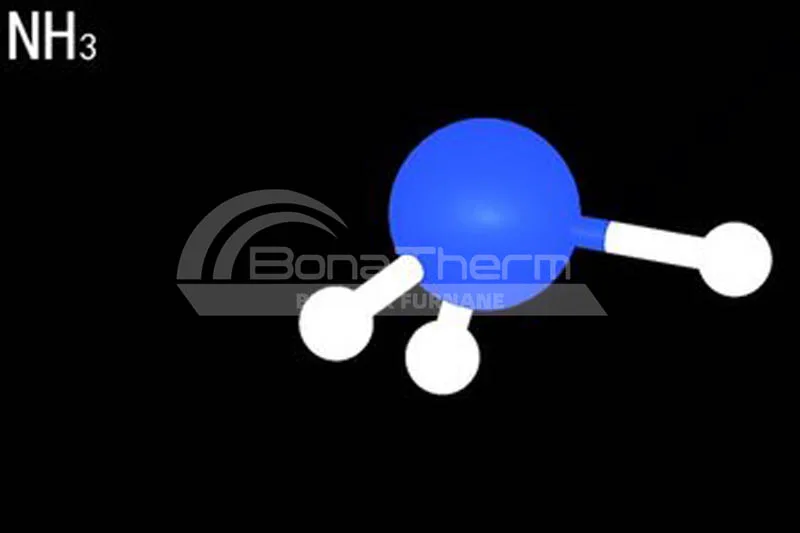
For the mixing of multiple gases, it is recommended to use the mixing system and mass flow meter of Brother Furnace to achieve precise control of the gas flow. This ensures an accurate ratio between the different gases and helps to improve deposition quality and consistency.
Detailed Steps
Activate the System
Start the power supply of the chemical vapor deposition furnace and set the preheating temperature of the furnace. The Brother Furnace's vapor deposition furnace is heated by an HRE resistance wire and has a maximum operating temperature of 1200°C. When setting the temperature, a suitable temperature profile should be selected according to the characteristics of the material to be deposited.
Note that the preheating process should be carried out slowly to avoid damage to the equipment due to sudden temperature rise. The intelligent 50-segment programmable control system of the CVD furnace can preset the temperature profile and heating rate according to the process requirements. Ensure that the furnace reaches a stable working temperature before proceeding to the next operation.
Addition of the Gas
The gas is slowly introduced through the gas control system. The chemical vapor deposition furnace is equipped with a three-way mass flow meter to ensure
precise control of the gas flow. When adjusting the gas flow rate and ratio, it
should be set according to the requirements of the deposition process.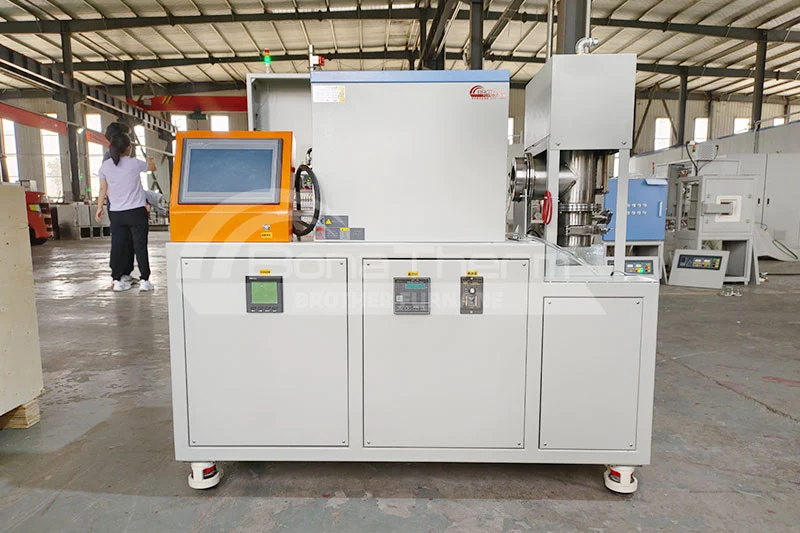
During the gas introduction process, attention is paid to real-time monitoring of gas flow and pressure to ensure that they are stabilized within the set range. The control of gas flow directly affects the uniformity and quality of the deposited layer, so special attention should be paid to the stability of the flow.
Monitoring the Process
During the deposition process, the parameters of the equipment should be monitored in real-time, including temperature, pressure, gas flow and so on. According to the reaction situation, adjust the operating parameters at the right time to ensure the stability of the deposition process.
Regularly check the temperature distribution of the furnace to ensure uniform heating. The chemical vapor deposition furnace of Brother Furnace adopts a double-layer air-cooled structure, and the surface temperature of the furnace shell is lower than 50℃, which effectively ensures the safety and stability of the equipment.
Completion of Deposition and Cooling
After the deposition process is completed, first turn off the gas supply
system. Gradually reduce the temperature of the furnace, to avoid the sudden
drop in temperature on the equipment and the deposited film. Depending on the
material properties, select the appropriate cooling rate to ensure the quality
and stability of the film.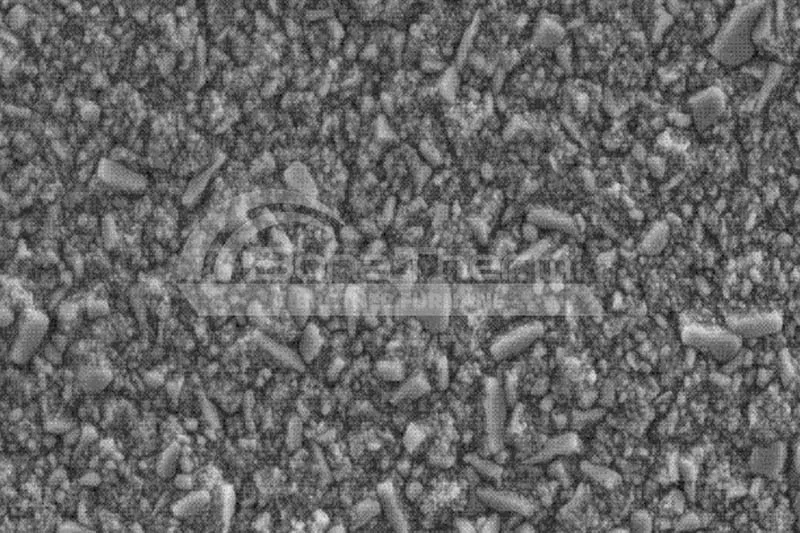
During the cooling process, continue to monitor temperature changes to ensure a smooth cooling process. When cooling is complete, turn off the power and vacuum system and open the furnace door to remove the deposited substrate.
Maintenance
It is recommended that you perform regular maintenance and servicing of the chemical vapor deposition furnace to ensure its long-term stable operation. Clean the furnace chamber and the substrate support frame, and check and replace worn parts. Check the gas lines and vacuum system to ensure that there are no leaks.
Brother Furnace was designed with long-term stability in mind, and regular maintenance will help extend the life of the equipment.
Why Choose Brother Furnace's Chemical Vapor Deposition Furnaces
The CVD furnace combines advanced plasma technology and an intelligent control system to provide customers with several significant advantages.
High-temperature performance: The chemical vapor deposition furnace can reach a maximum temperature of 1200°C, which is suitable for a wide range of deposited materials.
Precise control: Brother Furnace has equipped the chemical vapor deposition
furnace with an intelligent 50-segment programmable automatic control system to
ensure the stability of the deposition process.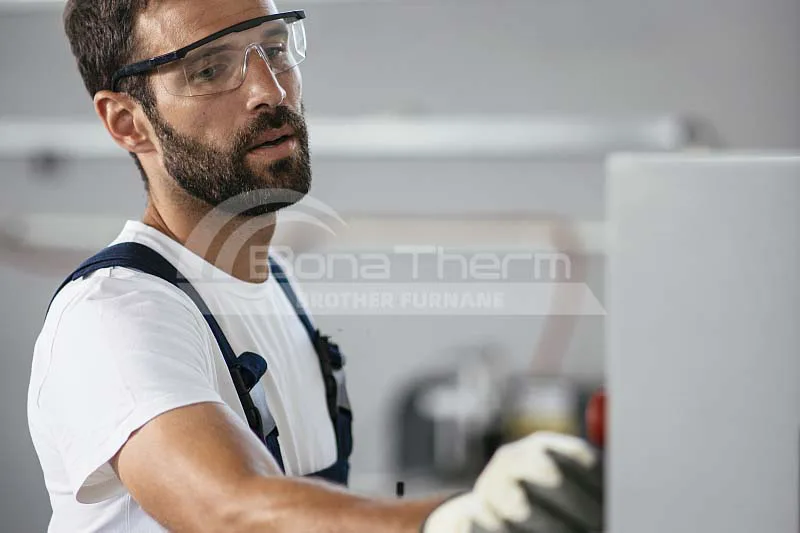
High deposition rate: RF glow technology enables film deposition rates of up to 10A/S, significantly improving production efficiency.
Uniformity and consistency: Multi-point RF feed-in technology and advanced vapor path distribution enable the film uniformity index to reach 8%, with less than 2% deviation between substrates deposited at one time.
Safety and stability: Over-temperature protection and safety protection functions ensure the safety of equipment operation. The highly stable equipment ensures the continuity and stability of the process.
Brother Furnace is Committed to Providing You with the Best Chemical Vapor Deposition Furnaces
Operating a CVD furnace requires rigor and professionalism, ensuring that each step is executed accurately is the key to achieving high-quality deposition.
As a professional manufacturer of chemical vapor deposition furnaces, Brother
Furnace is committed to providing you with the most advanced equipment and
technical support to help you achieve the best experimental and production
results in a variety of applications.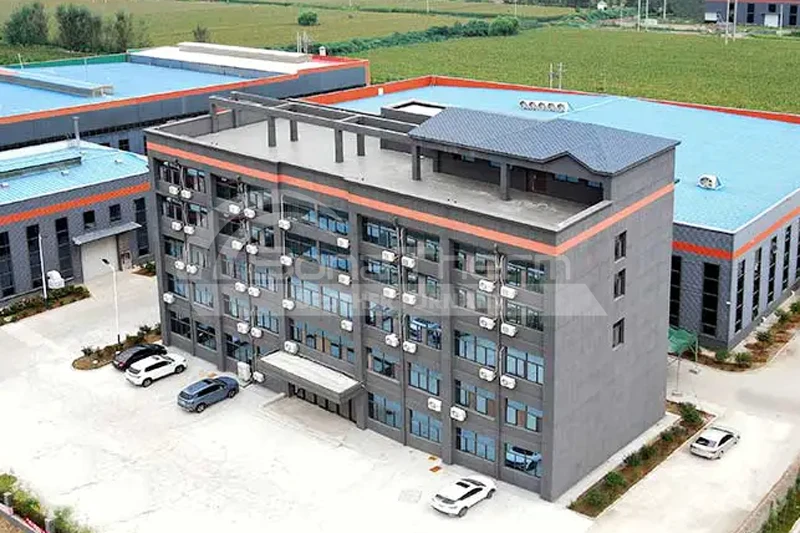
Brother Furnace looks forward to working with you to promote the progress of materials science.
We hope this article can help you understand and operate the chemical vapor deposition furnace. If you have any questions or needs about our vapor deposition furnace, please feel free to contact us.
Brother Furnace will be happy to provide you with professional support and service.