Optimizing Advanced Ceramic Sintering with Slideway Tube Furnaces
Time: 2024-10-18
View: 245
In the highly specialized field of technical ceramics manufacturing, the
sintering process plays a pivotal role in achieving the desired properties of
ceramic materials, such as density, strength, and thermal conductivity.
As industries increasingly rely on ceramics for applications in electronics, aerospace, and high-tech equipment, the slideway tube furnace has become a vital tool in this process, thanks to its ability to offer precise temperature and atmosphere control.
For advanced ceramic materials, the benefits of a slideway tube furnace are significant. Unlike traditional sintering methods, these high-temperature furnaces enable manufacturers to control critical variables with precision, leading to improved quality, reduced energy costs, and more efficient production cycles.
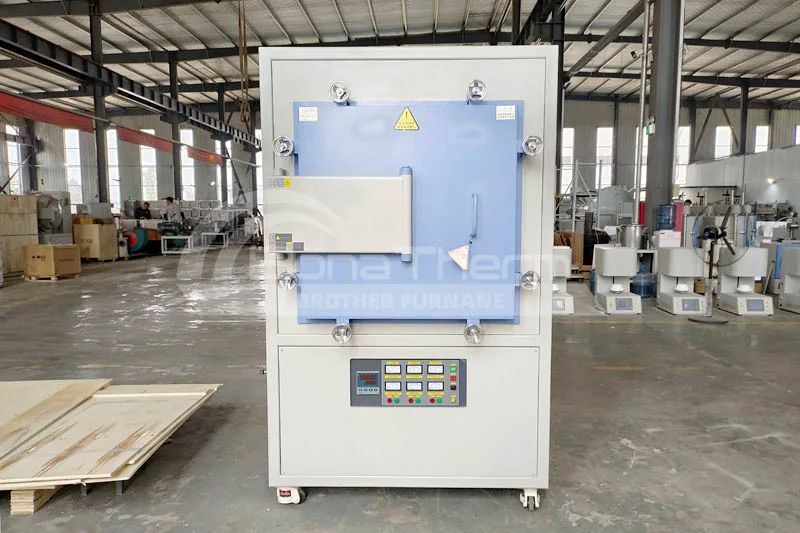
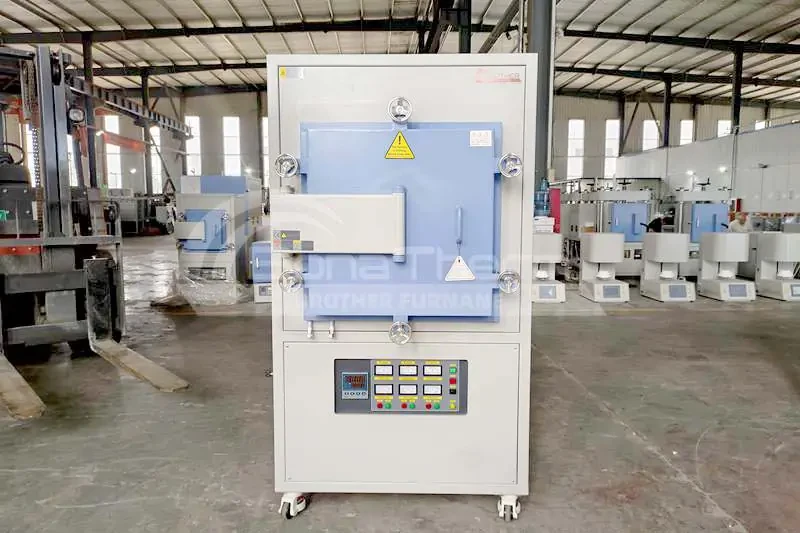
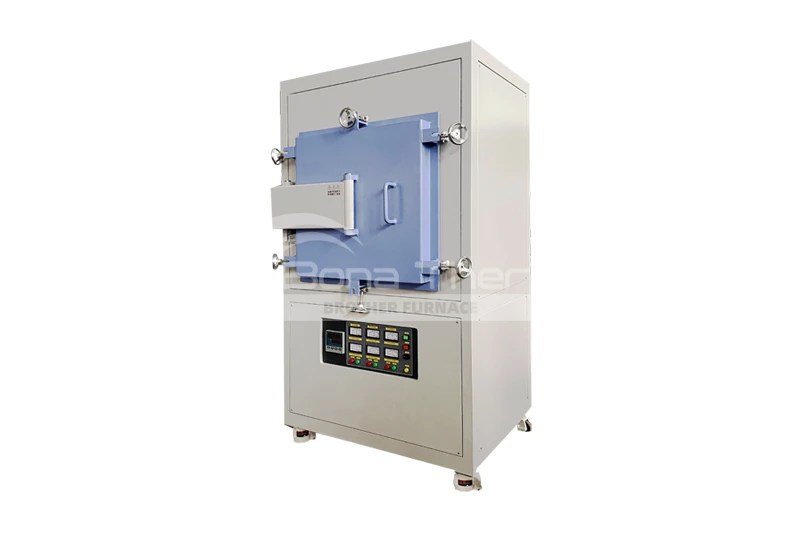
This article delves into the essential role of slideway tube furnaces from Brother Furnace in
advanced ceramic sintering and explores how optimizing the sintering process can
yield substantial performance gains for ceramic components.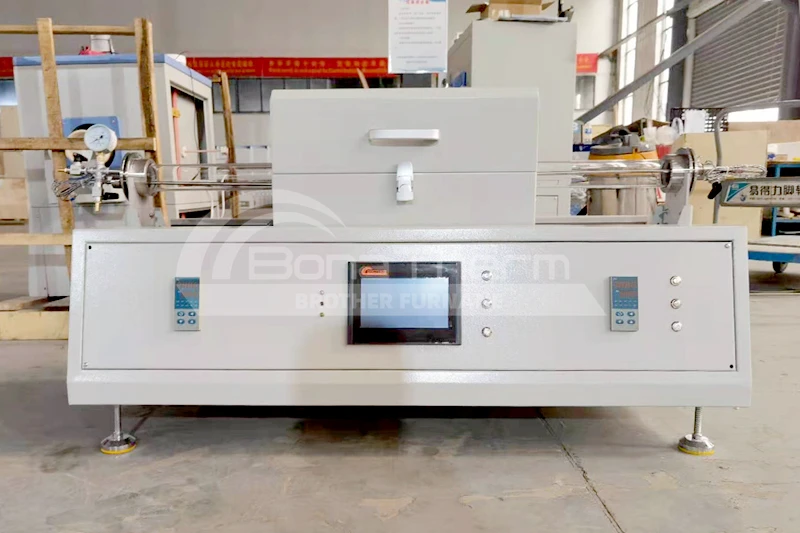
Importance of Slideway Tube Furnaces in Ceramic Sintering
Slideway tube furnaces are now widely recognized for their contribution to ceramic processing equipment, where consistent quality and efficiency are paramount.
In the traditional sintering process, controlling temperature distribution and achieving material uniformity are significant challenges, often leading to material inconsistencies and lower yield rates. The slideway tube furnace addresses these issues through advanced features that optimize heat distribution, support effective material handling, and enable custom atmosphere control.
Precision in Temperature and Atmosphere Control: For many high-performance ceramics, specific sintering conditions are required to meet industry standards. Slideway tube furnaces provide this precision, making them ideal for sensitive applications. For example, the production of electronic ceramics demands tight control over heating rates and atmospheric conditions to ensure proper densification and electrical conductivity.
Enhanced Material Properties: By allowing greater control over the sintering
cycle, slideway tube furnaces enable the production of ceramics with improved
mechanical properties and uniform density. This control is crucial for
manufacturing components that must endure high stress, such as those used in
aerospace applications or as structural supports.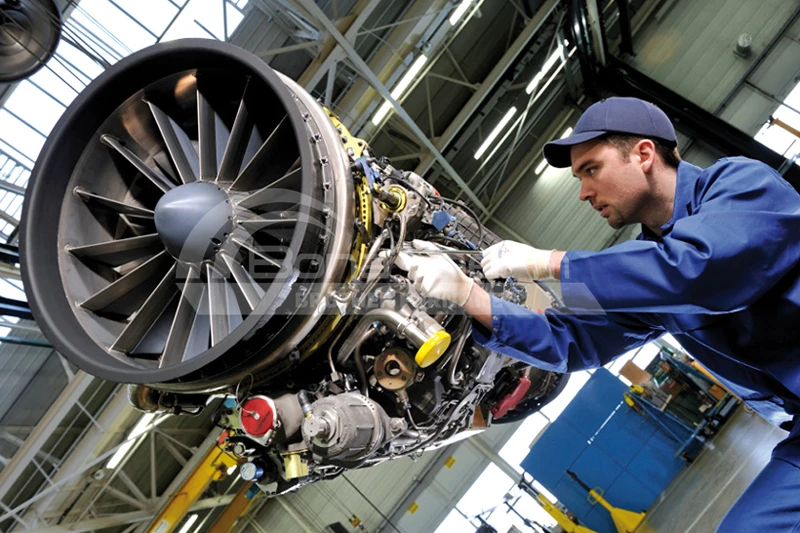
Energy Efficiency: Energy consumption is a critical consideration in the ceramic industry, where high temperatures are required over extended periods. Slideway tube furnaces incorporate energy-efficient sintering technologies that optimize heat utilization, reducing overall energy costs while maintaining consistent performance.
The growing adoption of slideway tube furnaces reflects a shift towards advanced sintering solutions that prioritize energy efficiency, material quality, and production scalability. This shift is particularly beneficial for high-value applications in the electronics and aerospace sectors, where manufacturers require consistently high-quality ceramic materials.
Key Features of Slideway Tube Furnaces
Several features distinguish slideway tube furnaces from conventional sintering systems, making them ideal for optimizing the sintering process of advanced ceramic materials:
Temperature Control and Uniformity
Achieving uniform temperature distribution across ceramic components is a critical aspect of the sintering process. Slideway tube furnaces are engineered to provide precise control over the heating and cooling phases, preventing thermal gradients that can lead to warping, cracks, or variations in material density.
Atmosphere Control Capabilities
Some high-performance ceramics require specific atmospheric conditions, such
as vacuum or inert gas, to prevent oxidation or contamination. The atmosphere
control feature in slideway tube furnaces allows manufacturers to create the
ideal environment for sintering, enhancing material purity and consistency.
For applications requiring extremely low oxygen levels, molybdenum vacuum furnaces offer an additional layer of control, enabling the production of ceramics with exceptional durability and resistance to environmental degradation.
Energy Efficiency and Cost-Effectiveness
The energy efficiency of slideway tube furnaces sets them apart from conventional sintering methods. By reducing heat loss and optimizing energy usage, these furnaces lower operational costs, making them a sustainable option for manufacturers. This efficiency becomes particularly significant when processing materials that require sustained high temperatures, such as zirconia or alumina-based ceramics.
These features collectively make slideway tube furnaces a preferred choice for advanced ceramic sintering, supporting efficient, high-quality, and energy-conscious production.
Benefits of Optimizing the Sintering Process
When manufacturers optimize sintering within slideway tube furnaces, they unlock several advantages that enhance material performance and production efficiency:
Enhanced Material Properties and Performance: Proper sintering contributes to
the final characteristics of ceramics, such as strength, thermal stability, and
electrical conductivity. By optimizing temperature and atmosphere conditions,
manufacturers can produce ceramics with superior mechanical and thermal
properties, ideal for demanding applications in aerospace, automotive, and
electronics.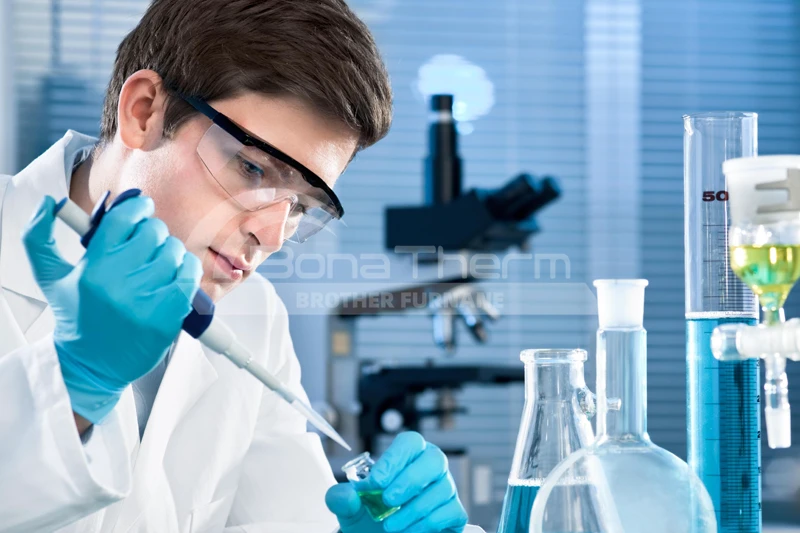
Increased Production Efficiency: By allowing precise control over sintering parameters, slideway tube furnaces help to streamline production cycles, reduce downtime, and increase output. Optimized sintering leads to fewer rejects and less rework, reducing waste and enhancing the efficiency of each production cycle.
Reduced Energy Consumption and Operating Costs: Optimized sintering within slideway tube furnaces minimizes the energy required per cycle, significantly lowering operational expenses. In large-scale production, these cost savings can have a substantial impact on the bottom line, making slideway tube furnaces an economically attractive choice for manufacturers.
By optimizing the sintering process, manufacturers not only improve the quality of their products but also reduce operational costs, streamline production, and ensure adherence to industry standards.
Conclusion
The role of slideway tube furnaces in advanced ceramic sintering cannot be
overstated. By providing precise temperature and atmosphere control, efficient
material handling, and energy-efficient operation, these industrial furnace
solutions support the production of high-performance ceramics. As the demand for
advanced materials continues to grow, so does the need for optimized sintering
processes that deliver quality, efficiency, and sustainability.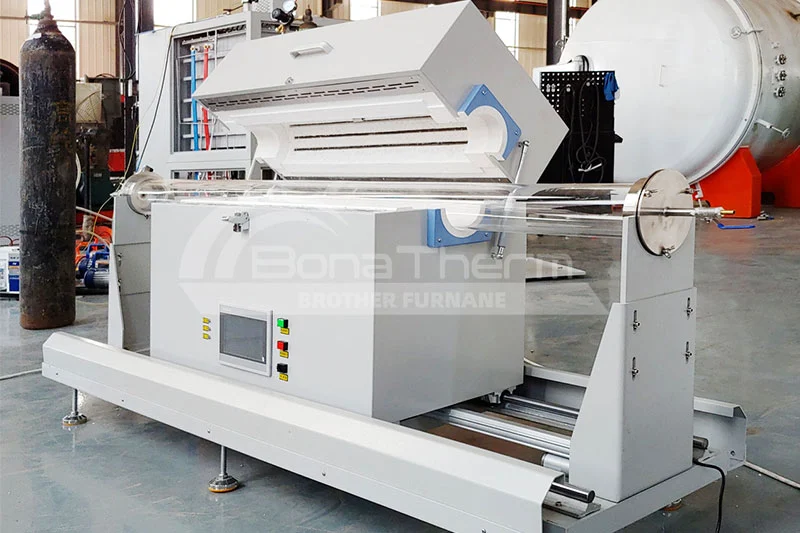
For manufacturers seeking to remain competitive, investing in slideway tube furnaces offers substantial benefits. The ability to consistently produce high-quality ceramics while reducing operational costs and energy consumption makes these furnaces a valuable asset in the field of ceramic processing equipment.
With advancements in sintering technology and an expanding range of applications, the future of slideway tube furnaces looks promising as they continue to set new standards in technical ceramics manufacturing.
If you are ready to elevate your ceramic production capabilities, explore the slideway tube furnaces of Brother Furnace. With years of expertise in industrial furnace solutions, we are dedicated to helping manufacturers optimize their processes and achieve exceptional material quality.
Contact us now to learn more about our energy-efficient sintering options and schedule a personalized consultation. Discover how Brother Furnace can support your manufacturing goals and take your ceramics production to the next level.