What Materials Can Be Processed with a Muffle Furnace?
Time: 2024-07-02
View: 335
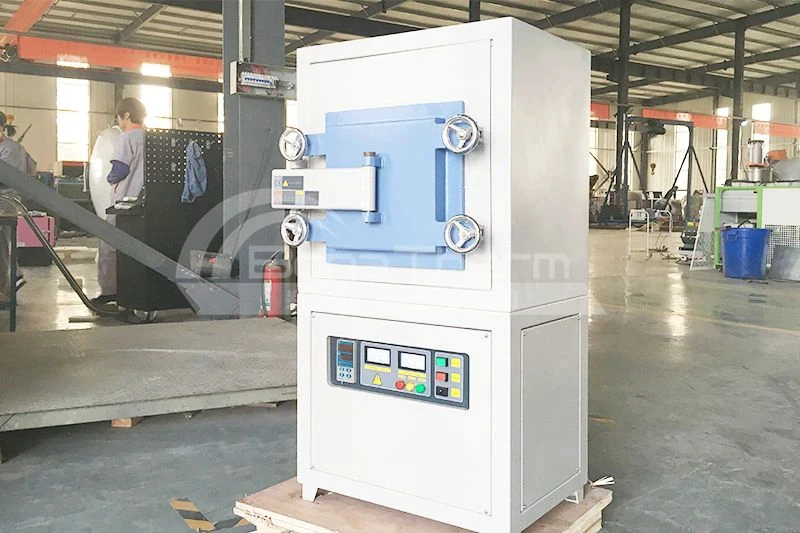
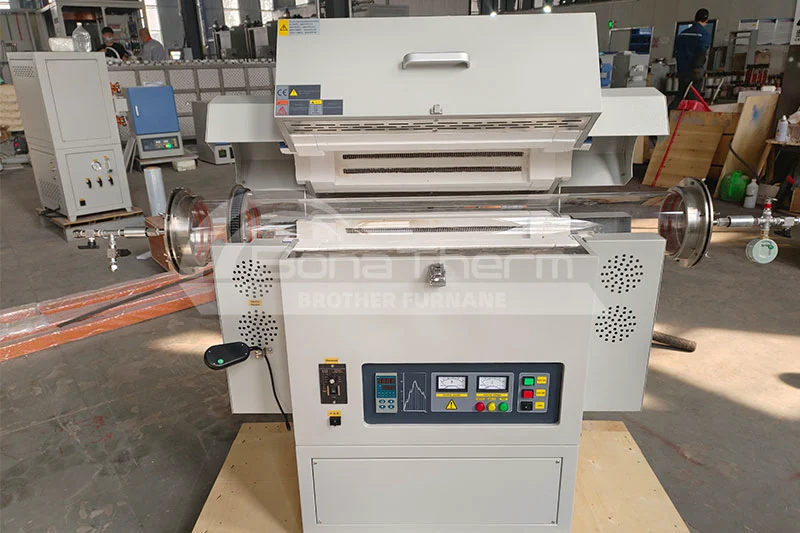
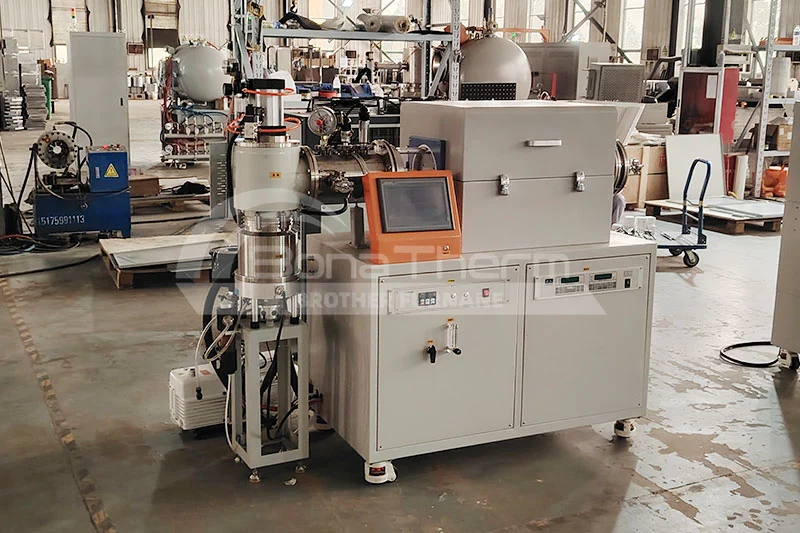
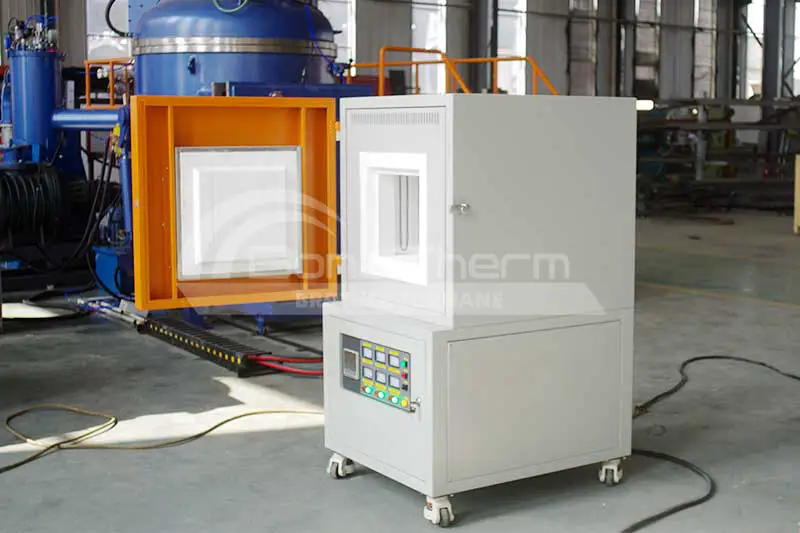
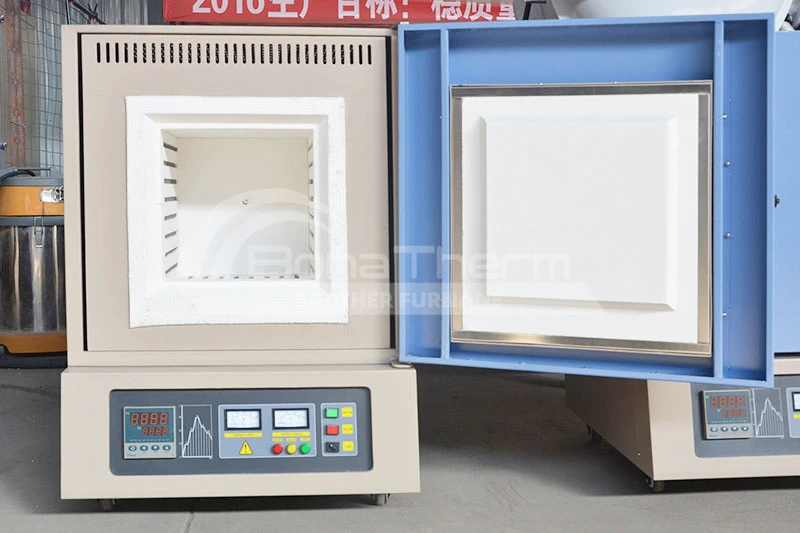
Muffle furnace is a high-temperature heating equipment widely used in materials science, chemical analysis, and environmental monitoring. It provides a stable high-temperature environment for sintering, melting, annealing, and other processes. So, what materials can be processed with a muffle furnace? This article will explore both conventional and unconventional materials in detail.
Basic Principles and Functions of a Muffle Furnace
Muffle furnace generates high temperatures through resistive heating elements and uses thermal radiation and convection to uniformly heat samples. Its main functions include high-temperature processing, atmosphere protection, and program control, meeting the processing needs of various materials. By adjusting heating rates and temperature distribution, the muffle furnace can accommodate the special processing requirements of different materials.
Processing Conventional Materials
1. Metal Materials
Metal materials are among the most common samples processed in muffle furnaces. High-temperature treatment in a muffle furnace can achieve sintering, annealing, and other processes, enhancing the physical and mechanical properties of metals. For instance, heating metals like iron, copper, and aluminum in a muffle furnace can restructure their grains, thereby increasing hardness and toughness.
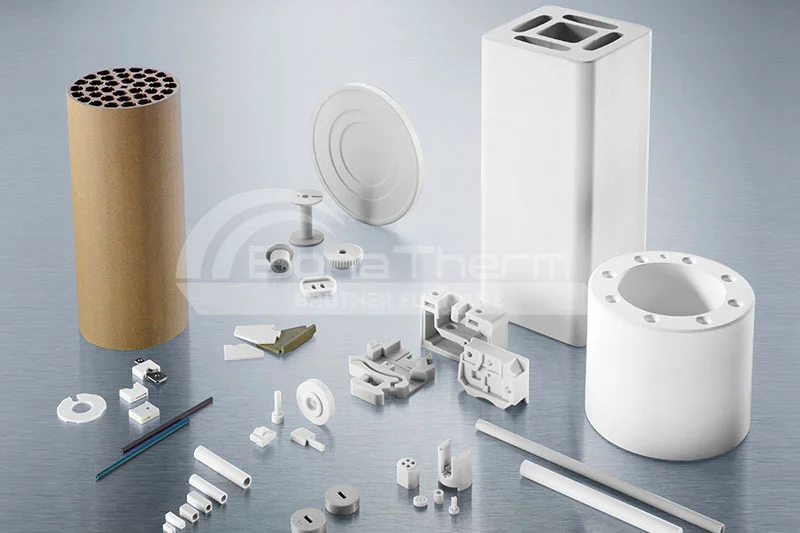
2. Ceramic Materials
Ceramic materials undergo high-temperature firing in a muffle furnace to achieve a dense and uniform structure. Common ceramics, such as alumina and silica, benefit from improved wear resistance, high-temperature stability, and chemical durability after muffle furnace processing.
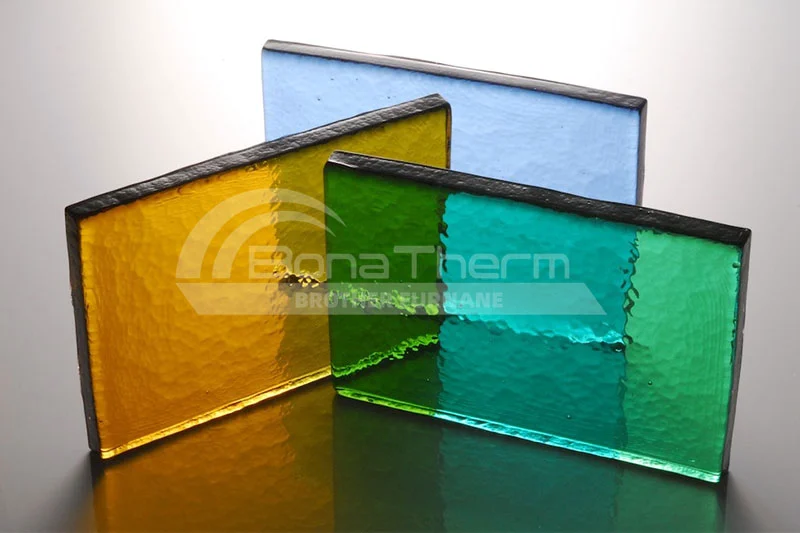
3. Glass Materials
The processing of glass materials in a muffle furnace primarily involves melting and annealing. By controlling the temperature and heating duration, glass can achieve uniform internal structures and excellent optical properties. Borosilicate and quartz glasses, often used in laboratories and industrial production, show enhanced performance after muffle furnace treatment.
 |  |
Processing Unconventional Materials
1. Composite Materials
Composite materials, consisting of two or more different components, exhibit superior combined properties. When processing composite materials in a muffle furnace, the different thermal expansion coefficients and chemical reactions must be considered. For example, high-temperature treatment of carbon fiber-reinforced composites in a muffle furnace can significantly enhance the interface bonding strength between carbon fibers and the matrix material.
2. Nanomaterials
Nanomaterials, with their high specific surface area and quantum effects, require meticulous processing in a muffle furnace. High temperatures can cause nanomaterials to agglomerate, so precise control of heating rates and temperature distribution is essential to maintain their nanostructures and unique properties. Materials like zinc oxide and nano-silicon exhibit excellent performance in electronic devices and catalysts after muffle furnace treatment.
3. Biomaterials
Processing biomaterials requires stringent temperature and environmental conditions. A muffle furnace can provide a contamination-free, high-purity heating environment suitable for sintering and annealing bio-ceramics and bone repair materials. For instance, hydroxyapatite, a bioactive material, shows enhanced biocompatibility and mechanical strength after muffle furnace processing.
Innovative Applications of Muffle Furnace Processing
In recent years, the emergence of 3D printing materials and smart materials has expanded the application scope of muffle furnaces.
1. 3D Printing Materials
3D printing materials often require high-temperature sintering to enhance their mechanical properties. When processing 3D printing materials, a muffle furnace can achieve material densification and structural optimization through precise heating programs and atmospheric control, such as sintering high-performance ceramic 3D printed components.
2. Smart Materials
Smart materials respond to external environments (such as temperature, pressure, light, etc.). Processing these materials in a muffle furnace requires higher precision and controllability. For instance, annealing shape memory alloys in a muffle furnace can activate and optimize their memory effects.
Conclusion and Future Prospects
Muffle furnaces have extensive application prospects in material processing. From traditional metals and ceramics to new composite materials and smart materials, muffle furnaces provide efficient and precise processing solutions. As technology advances, future muffle furnaces will become more intelligent and multifunctional, meeting the needs of more fields.
Brother Furnace's muffle furnaces are versatile and use the world's most advanced heating technology. Leave a message and tell us what material you want to process. We will help you as much as possible and give you the most suitable muffle furnace solution.